

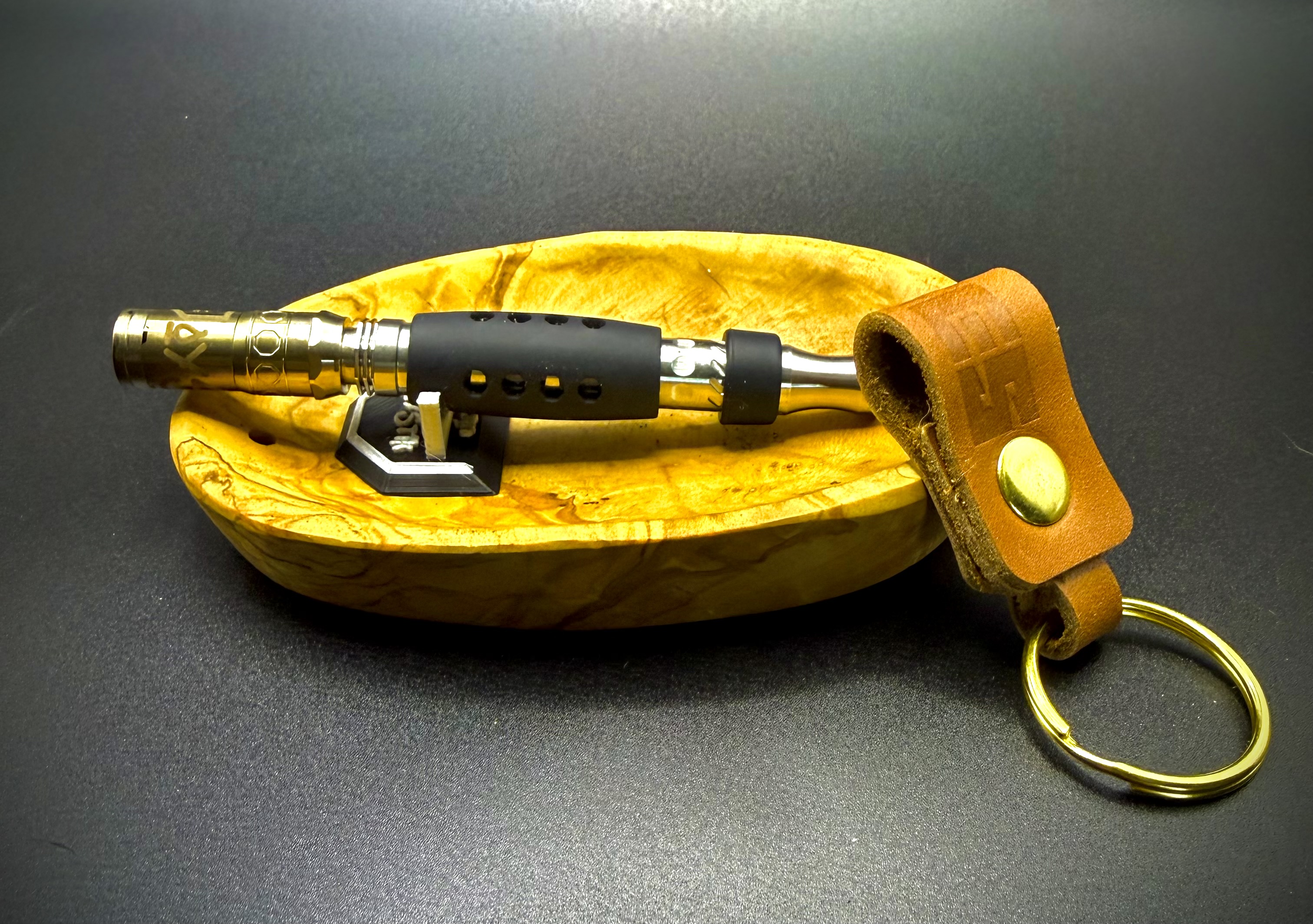
The JoyStik by VICES dropped early 2026 as a fresh contender in the stick vape category—pioneered by Dynavap and now evolving fast.
Stick vapes are usually glass or metal tubes with bowl sizes from ~0.05g up to 0.25g+. Most lean on conduction, but devices like the JoyStik are what I call Micro Ball Vapes.
What’s a Ball Vape?
Ball vapes use tiny glass or ruby balls as a thermal battery inside a metal head. Draw air over the superheated balls, and you get convection vaporization. Traditionally desktop beasts with coils and PID controllers, these micros shrink the concept to handheld form—heated by torch or induction heater instead.
Build Quality
At around $100 USD, the JoyStik makes deliberate trade-offs compared to the Tempest 2 from MadHeaters (more on that head-to-head soon).
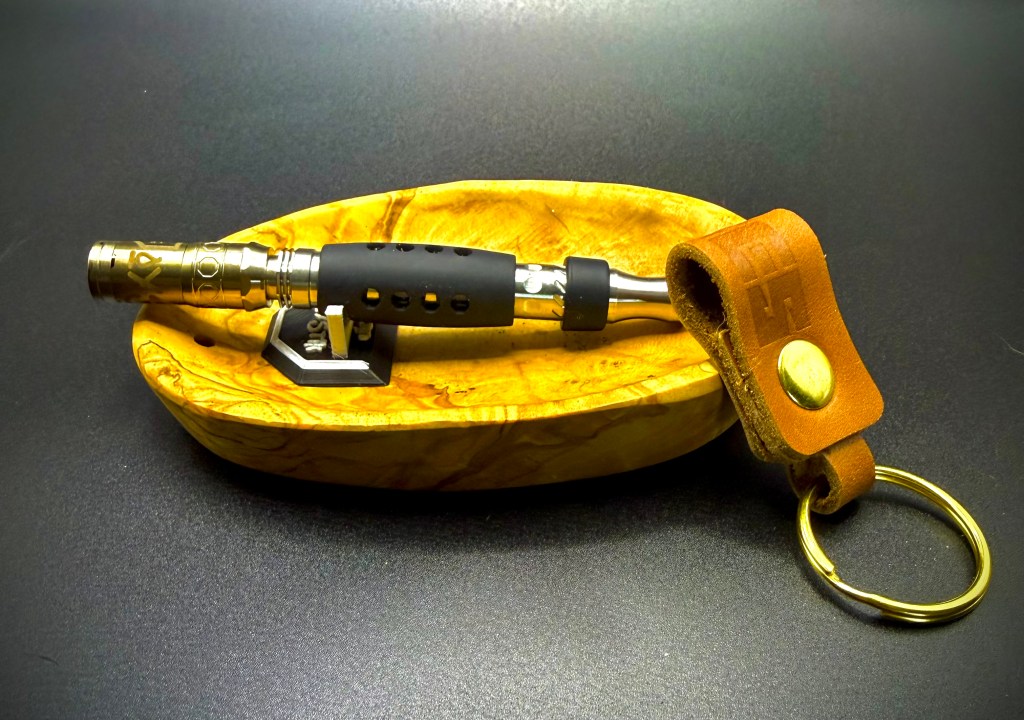
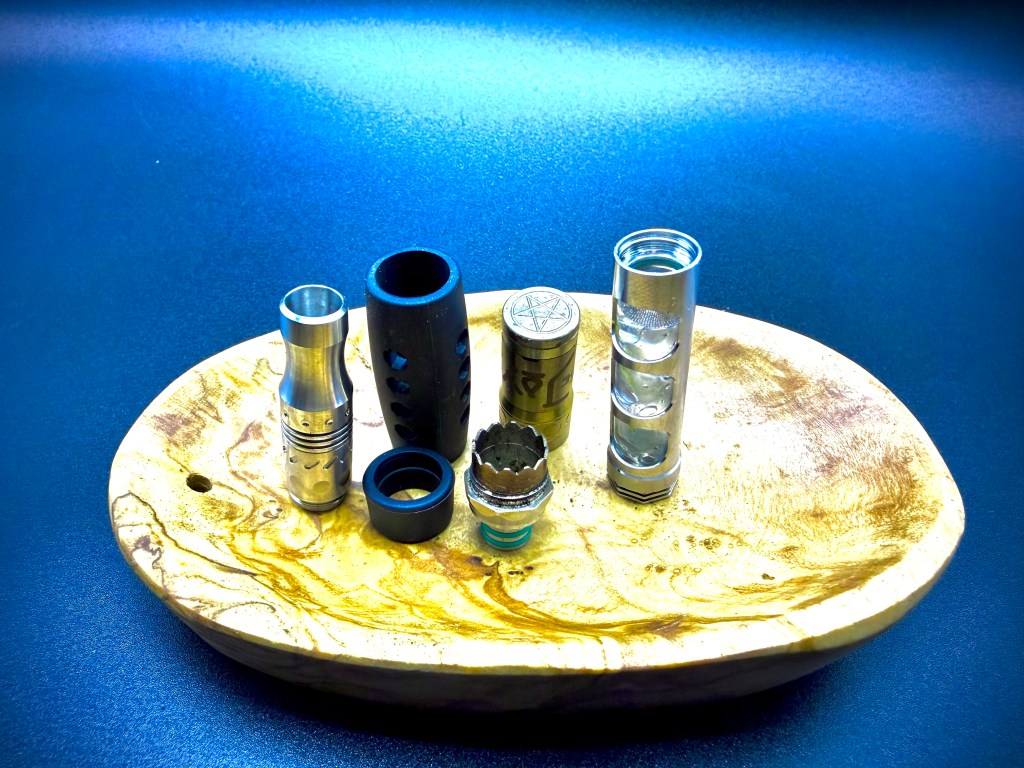
It feels solid and well-crafted in hand. The silicone heat shield stays cool enough to grip, keeps the price accessible, and leaves room for third-party artisans to elevate it if you want. It doubles as a window to the glass intercooler loaded with 5 orbs—pure craft in motion.
That internal glass cooling path nails both temperature drop and flavor retention. Native hits remind me of the clean convection through a glass stem on the TinyMight 2—smooth, present, unflavored by metal.
The bowl threads into the cap and packs up to 0.25g. Cap is stainless steel, packed with 3mm ruby corundum balls. The stainless mouthpiece screws into the stem housing; a silicone band seals the air intake for glass compatibility or twists to adjust airflow native.
Airflow control also lives at the cap via a sliding sleeve over the top intake ports. I run mine wide open on glass.
Overall, it takes on a nice golden patina from heat cycles—earned character.
Performance
It rips. Coming off the Tempest 2, I underheated it at first.
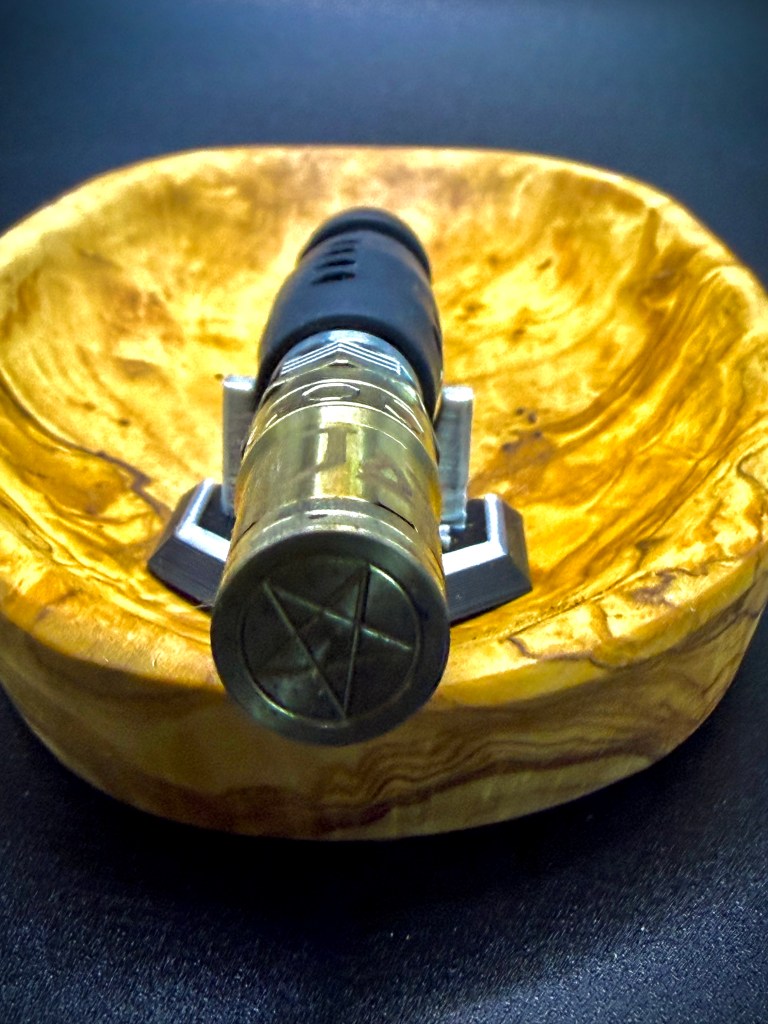
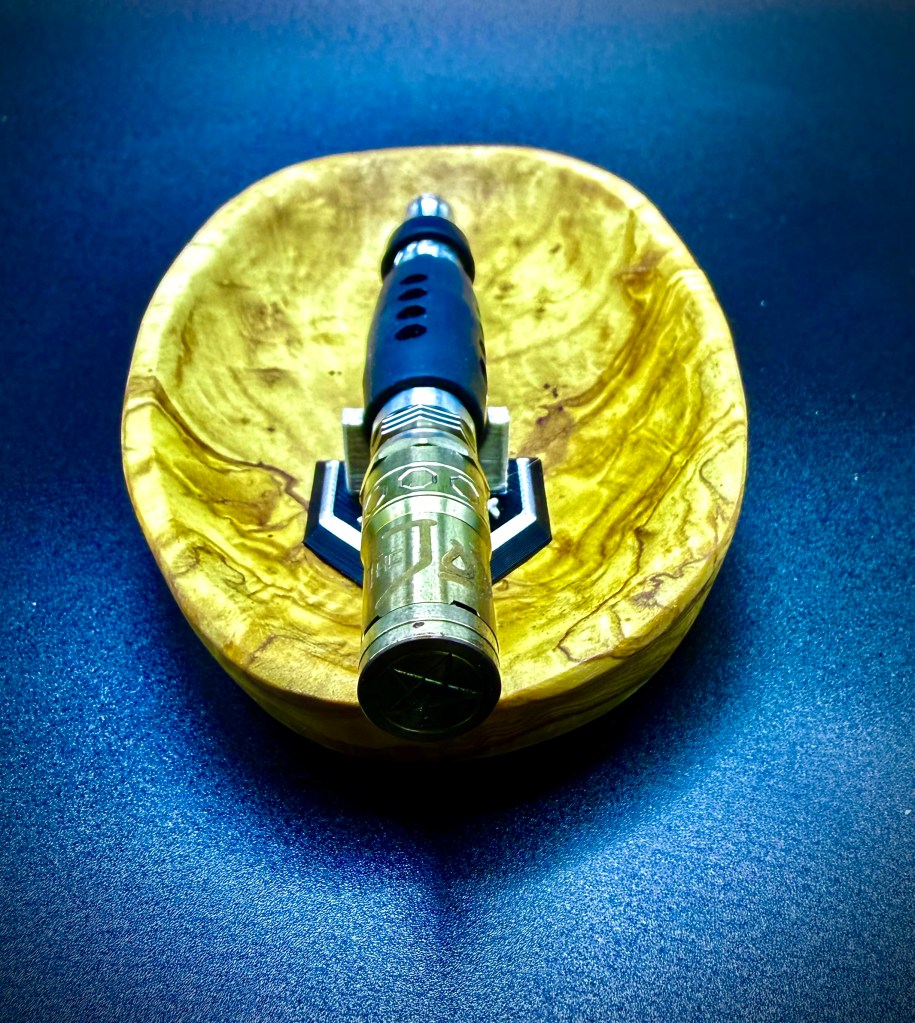
Torch above the hex symbols for dense, heavy extraction. Aim higher toward the cap top for quicker click, less soak time, and brighter terps.
Like others in the class, it uses thermally calibrated click disks for the audible *click* at vaporization temps. Rule of thumb: flame closer to the top = faster click, more terpy, lighter density. Drop the flame lower toward the hex slant = thicker, heavier vapor that ramps effects hard.
Handheld, I keep the mouthpiece half-closed. On glass, I slide the band to seal it fully. Head airflow stays wide open either way.
The vapor path—thanks to the glass cooling—delivers cool, clean pulls that stay terpy as heat builds. Palate-wise, it’s close to a glass-stemmed TinyMight 2. Pleasant. Potent.
Bonus: stem windows let you watch reclaim build and know when to clean. In testing, I pulled enough to restrict airflow, so the visual cue matters.
Unlike the Tempest line, there’s no visual heat indicator on the cap—no tightening coil or line markers acting as a micro-thermometer. That adds a learning curve; you dial in by feel and repetition. Part of the discipline.
One early annoyance: fresh o-rings made the bowl want to pull the head off the stem during decap. A slight downward press + twist fixed it; the issue faded with break-in. Tempest 2 sidesteps this with notched locking—cleaner solution.
Final Thoughts
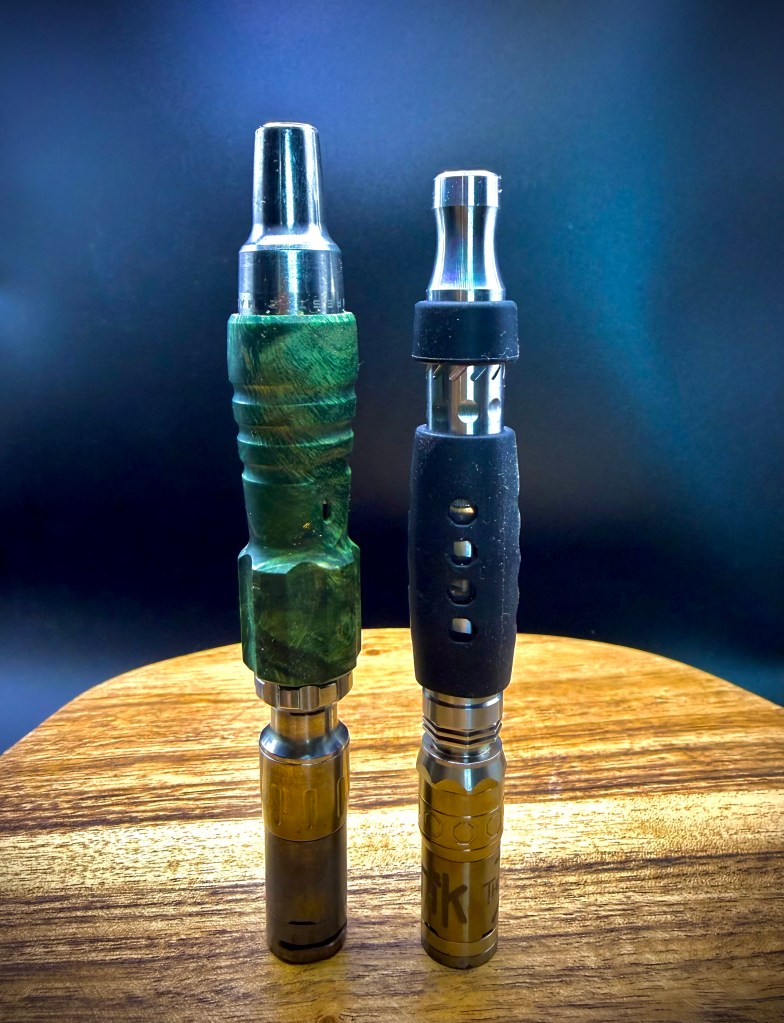
The JoyStik is a winner, especially at the price. It’s not as refined in build as the Tempest 2 (titanium vs. stainless means more heat-hungry but better sustained thermal mass on a budget).
A dedicated Tempest 2 vs. JoyStik comparison is coming soon. For Tempest owners curious: the JoyStik absolutely holds its own.
Discipline rewarded.
 Forty Fist Hits
Leave a comment